
Beit Yisrael International Rambam, In His Own Words
Beit Yisrael International Rambam, In His Own Words

Beit Yisrael International Daily Torah compelled by: Ariel your Representee, Representee of Ephraim, Chavruta (Brother in Torah) with Ephraim and adviser (not a rabbi but friendly adviser) for Bet Yisrael international on the Har HaBayit.
Please note: Out of respect for the sanctity of Shabbat and Yom Tov, we kindly request that you refrain from browsing, searching, or posting on this website during these sacred times — from candle lighting at the onset of Shabbat or Yom Tov until their conclusion. We deeply appreciate you're understanding and honor for these holy days.


Our father in Shamayim (Heaven),
Rock-fortress and redeemer of Yisra’el —
bless the State of Israel,
the initial sprouting of our redemption.
Beit Yisrael International Torah Yomi for everyone who loves Yisrael.
HarHaBayit:
'We failed! We didn't throw of the Mountain: Amalek's descendants and their Israeli friends! The Erev Rav! We must be at war until all terrorists are dead! In and around Eretz Yisrael. The day after, we need to vote for an Elohim fearing Government. Then let us start to Pray and to talk about a new government. Every Jew and non-Jew must accept and respect Jewish Law. Voting's yes, but a new high Court system Jewish Law in all Eretz Yisrael: Including Aza, Yudea and Samaria. So that we may become a real blessing for the whole world as it was in the time of the Kingdom of HaMeleg David. Yes, real Teshuva and Study our Source: The Torah. The Sifri (a treatise on the derivation of Torah law from the exegesis of the verses of Numbers and Deuteronomy, written during the time of the Mishnah by Rav) says, "The Jewish people were commanded three mitzvos upon entering Israel: appointing for them-selves a king, building themselves a Sanctuary and wiping out the descendants of Amalek."
Look Click: https://fb.watch/r0HhSftzj1/
Shemot (Exodus) - Chapter 25
8And they shall make Me a sanctuary and I will dwell in their midst | | חוְעָ֥שׂוּ לִ֖י מִקְדָּ֑שׁ וְשָֽׁכַנְתִּ֖י בְּתוֹכָֽם: |
And they shall make Me a sanctuary: And they shall make in My name a house of sanctity. | | וְעָשׂוּ לִי מִקְדָּשׁ: וְעָשׂוּ לִשְׁמִי בֵּית קְדֻשָּׁה: |
9according to all that I show you, the pattern of the Mishkan and the pattern of all its vessels; and so shall you do. | | טכְּכֹ֗ל אֲשֶׁ֤ר אֲנִי֙ מַרְאֶ֣ה אֽוֹתְךָ֔ אֵ֚ת תַּבְנִ֣ית הַמִּשְׁכָּ֔ן וְאֵ֖ת תַּבְנִ֣ית כָּל־כֵּלָ֑יו וְכֵ֖ן תַּֽעֲשֽׂוּ: |
according to all that I show you: here, the pattern of the Mishkan. This verse is connected to the verse above it: “And they shall make Me a sanctuary…” according to all that I show you. | | כְּכֹל אֲשֶׁר אֲנִי מַרְאֶה אֽוֹתְךָ: כָּאן את תבנית המשכן, הַמִּקְרָא הַזֶּה מְחֻבָּר לַמִּקְרָא שֶׁלְּמַעְלָה הֵימֶנּוּ וְעָשׂוּ לִי מִקְדָּשׁ |
Eretz Yisrael in Jewish Scriptures Click:

Prayer for the Welfare of the State of Israel, by Rabbi Yitsḥak haLevi Hertzog
(1948)
Source (Hebrew)
Translation (English)
אָבִינוּ שֶׁבַּשָּׁמַיִם,
צוּר יִשְׂרָאֵל וְגוֹאֲלוֹ,
בָּרֵךְ אֶת מְדִינַת יִשְׂרָאֵל,
רֵאשִׁית צְמִיחַת גְּאֻלָּתֵנוּ.
Our father in Shamayim (Heaven),
Rock-fortress and redeemer of Yisra’el —
bless the State of Israel,
the initial sprouting of our redemption.
הָגֵן עָלֶיהָ בְּאֶבְרַת חַסְדֶּךָ,
וּפְרֹשׁ עָלֶיהָ סֻכַּת שְׁלוֹמֶךָ,
וּשְׁלַח אוֹרְךָ וַאֲמִתְּךָ
לְרָאשֶׁיהָ, שָׂרֶיהָ וְיוֹעֲצֶיהָ,
וְתַקְּנֵם בְּעֵצָה טוֹבָה מִלְּפָנֶיךָ.
Shield her beneath the wings of your lovingkindness;
spread over her your Sukkah of peace;[1]
send your light and your truth
to its leaders, officers, and counselors,
and correct them with your good counsel.
חַזֵּק אֶת יְדֵי מְגִנֵּי אֶרֶץ קָדְשֵׁנוּ,
וְהַנְחִילֵם אֱלֹהֵינוּ יְשׁוּעָה
וַעֲטֶרֶת נִצָּחוֹן תְּעַטְּרֵם,
וְנָתַתָּ שָׁלוֹם בָּאָרֶץ
וְשִׂמְחַת עוֹלָם לְיוֹשְׁבֶיהָ.
Strengthen the defenders of our Holy Land;
grant them, our elo’ah, salvation,
and crown them with victory.
Establish peace in the land,
and everlasting joy for her inhabitants.
וְאֶת אַחֵינוּ כָּל בֵּית יִשְׂרָאֵל פְּקָד־נָא
בְּכָל אַרְצוֹת פְּזוּרֵיהֶם,
וְתוֹלִיכֵם מְהֵרָה קוֹמְמִיּוּת לְצִיּוֹן עִירֶךָ
וְלִירוּשָׁלַיִם מִשְׁכַּן שְׁמֶךָ,
כַּכָּתוּב בְּתוֹרַת משֶׁה עַבְדֶּךָ:
”אִם יִהְיֶה נִדַּחֲךָ בִּקְצֵה הַשָּׁמַיִם,
מִשָּׁם יְקַבֶּצְךָ ה׳ אֱלֹהֶיךָ וּמִשָּׁם יִקָּחֶךָ.
וֶהֱבִיאֲךָ ה׳ אֱלֹהֶיךָ אֶל הָאָרֶץ
אֲשֶׁר יָרְשׁוּ אֲבֹתֶיךָ
וִירִשְׁתָּהּ,
וְהֵיטִבְךָ
וְהִרְבְּךָ
מֵאֲבֹתֶיךָ.“ (דברים ל:ד-ה)
Remember our brethren, the whole house of Yisra’el,
in all the lands of their dispersion.
Speedily bring them to Tsiyon, your city,
to Yerushalayim, dwelling of your [spoken] name,
as it is written in the Torah of your servant Mosheh:
“Even if you are dispersed in the uttermost parts of the world,
from there YHVH your elo’ah will gather and fetch you.
YHVH your elo’ah will bring you into the land
which your ancestors possessed,
and you shall possess her;
and Hashem will make you more prosperous
and more numerous
than your ancestors.” (Deuteronomy 30:4-5)
וְיַחֵד לְבָבֵנוּ לְאַהֲבָה וּלְיִרְאָה אֶת שְׁמֶךָ,
וְלִשְׁמֹר אֶת כָּל דִּבְרֵי תּוֹרָתֶךָ.
וּשְׁלַח לָנוּ מְהֵרָה בֶּן דָּוִד מְשִׁיחַ צִדְקֶךָ,
לִפְדּות מְחַכֵּי קֵץ יְשׁוּעָתֶךָ.
הוֹפַע בַּהֲדַר גְּאוֹן עֻזֶּךָ
עַל כָּל יוֹשְׁבֵי תֵּבֵל אַרְצֶךָ,
וְיֹאמַר כֹּל אֲשֶׁר נְשָׁמָה בְּאַפּוֹ:
יהוה אֱלֹהֵי יִשְׂרָאֵל מֶלֶךְ,
”וּ֝מַלְכוּת֗וֹ בַּכֹּ֥ל מָשָֽׁלָה.“ (תהלים קג:יט)
אָמֵן סֶלָה.
Unite our hearts to love and revere your name,
and to observe all the precepts of your Torah.
Speedily send us your righteous moshiaḥ of the House of David,
to redeem those waiting for your salvation.
Shine forth in your glorious majesty
over all the inhabitants of your world.
Let everything that breathes proclaim:
YHVH, elo’ah of Yisra’el is King;
“their majesty reigns over all.”[2][3]
Amen. Selah.
Prayer for the Welfare of the State of Israel, by Rabbi Yitsḥak haLevi Hertzog
(1948)
Source (Hebrew) | Translation (English) |
אָבִינוּ שֶׁבַּשָּׁמַיִם, | Our father in Shamayim (Heaven), |
הָגֵן עָלֶיהָ בְּאֶבְרַת חַסְדֶּךָ, | Shield her beneath the wings of your lovingkindness; |
חַזֵּק אֶת יְדֵי מְגִנֵּי אֶרֶץ קָדְשֵׁנוּ, | Strengthen the defenders of our Holy Land; |
וְאֶת אַחֵינוּ כָּל בֵּית יִשְׂרָאֵל פְּקָד־נָא | Remember our brethren, the whole house of Yisra’el, |
וְיַחֵד לְבָבֵנוּ לְאַהֲבָה וּלְיִרְאָה אֶת שְׁמֶךָ, | Unite our hearts to love and revere your name, |
he Tefilah l’Shalom Medinat Yisra’el (“Prayer for the Welfare of the State of Israel”) was composed by Rabbi Yitsḥak haLevi Hertzog (1888-1959), edited by Shmuel Yosef (S.Y.) Agnon (1888-1970), and first published in the newspaper Ha-Tsofeh on 20 September 1948.
This prayer was instituted at the time by the Chief Rabbis of Israel, Rabbi Hertzog and Rabbi Ben Tsiyon Meir Ḥai Uziel. According to the custom of the Ashkenazic communities, the time for reciting the prayer was set between the end of the Torah reading and the haftara for the return of the Torah scroll to its place in the Holy Ark. In Sephardic communities, it is customary to recite the prayer at the time of the removal of the Torah scroll from the Holy Ark. (At this point in prayer, it was customary the prayer “Hanoten Tshuah”, blessing the ruler of the state and their immediate family.)
Because the State of Israel is referred to as “the beginning of the sprouting/growth of our redemption,” the prayer was not universally accepted. This expression, and the reservations about the state in general, are some of the reasons why non-Zionist and anti-Zionist Jews do not recite it in their synagogues. In fact, the recitation of this prayer and, to a lesser extent, the prayer for the safety of IDF soldiers, became one of the main differences between prayer in Ḥaredi synagogues and prayers in National Religious Zionist synagogues in Israel and in the Diaspora.
מי שברך לחיילי צה״ל | Mi sheBerakh for the Welfare of Israel Defense Forces Soldiers, by Rabbi Shlomo Goren (1956);
he Tefilah l’Shalom Medinat Yisra’el (“Prayer for the Welfare of the State of Israel”) was composed by Rabbi Yitsḥak haLevi Hertzog (1888-1959), edited by Shmuel Yosef (S.Y.) Agnon (1888-1970), and first published in the newspaper Ha-Tsofeh on 20 September 1948.
This prayer was instituted at the time by the Chief Rabbis of Israel, Rabbi Hertzog and Rabbi Ben Tsiyon Meir Ḥai Uziel. According to the custom of the Ashkenazic communities, the time for reciting the prayer was set between the end of the Torah reading and the haftara for the return of the Torah scroll to its place in the Holy Ark. In Sephardic communities, it is customary to recite the prayer at the time of the removal of the Torah scroll from the Holy Ark. (At this point in prayer, it was customary the prayer “Hanoten Tshuah”, blessing the ruler of the state and their immediate family.)
Because the State of Israel is referred to as “the beginning of the sprouting/growth of our redemption,” the prayer was not universally accepted. This expression, and the reservations about the state in general, are some of the reasons why non-Zionist and anti-Zionist Jews do not recite it in their synagogues. In fact, the recitation of this prayer and, to a lesser extent, the prayer for the safety of IDF soldiers, became one of the main differences between prayer in Ḥaredi synagogues and prayers in National Religious Zionist synagogues in Israel and in the Diaspora.
מי שברך לחיילי צה״ל | Mi sheBerakh for the Welfare of Israel Defense Forces Soldiers, by Rabbi Shlomo Goren (1956);
amended by Dr. Alex Sinclair (2012)
amended by Dr. Alex Sinclair (2012)
Source (Hebrew)
Translation (English)
מִי שֶׁבֵּרַךְ אֲבוֹתֵינוּ אַבְרָהָם יִצְחָק וְיַעֲקֹב
הוּא יְבָרֵךְ אֶת חַיָּלֵי צְבָא הֲגַנָּה לְיִשְׂרָאֵל,
הָעוֹמְדִים עַל מִשְׁמַר אַרְצֵנוּ וְעָרֵי אֱלהֵינוּ
מִגְּבוּל הַלְּבָנוֹן וְעַד מִדְבַּר מִצְרַיִם
וּמִן הַיָּם הַגָּדוֹל עַד לְבוֹא הָעֲרָבָה
בַּיַּבָּשָׁה בָּאֲוִיר וּבַיָּם.
May the One who blessed our forefathers Avraham, Yitsḥaq, and Yaaqov,
bless the soldiers of the Israel Defense Forces,
who stand guard over our land and the cities of our elo’ah,
from the border of Lebanon to the desert of Egypt,
and from the Great Sea to the Aravah,
on land, in the air, and on the sea.
יִתֵּן ה׳ אֶת אוֹיְבֵינוּ הַקָּמִים עָלֵינוּ
נִגָּפִים לִפְנֵיהֶם.
May Hashem cause the enemies who rise up against us
to be struck down before them.
הַקָּדוֹשׁ בָּרוּךְ הוּא יִשְׁמֹר וְיַצִּיל אֶת חַיָלֵינוּ
מִכָּל צָרָה וְצוּקָה וּמִכָּל נֶגַע וּמַחְלָה
וְיִשְׁלַח בְּרָכָה וְהַצְלָחָה בְּכָל מַעֲשֵׂה יְדֵיהֶם.
May the blessed Holy One preserve and rescue our soldiers
from every trouble and distress and from every plague and illness,
and may God send blessing and success in their every endeavor.
יִתֵּן ה׳ לְחַיָלֵינוּ חָכְמָה, בִּינָה וְדַעַת,
שְׁלֹא יִסְפּוּ צָדִיק עִם רָשָׁע,
כְּמוֹ שְׁכָתוּב בְּתוֹרָתֶךָ,
”חָלִלָה לְּךָ מֵעֲשֹׂת כַּדָּבָר הַזֶּה,
לְהָמִית צַדִּיק עִם־רָשָׁע, וְהָיָה כַצַּדִּיק כָּרָשָׁע;
חָלִלָה לָּךְ — הֲשֹׁפֵט כָּל־הָאָרֶץ לֹא יַעֲשֶׂה מִשְׁפָּט.“ (בראשית יח:כה)
May Hashem give our soldiers wisdom, understanding, and insight,
so that they do not destroy the righteous with the wicked,
as it is written in Your Torah:
“Far be it from you to do such a thing,
to kill the righteous with the wicked, treating them the same.
Far be it from you – should the Judge of all the Earth not do justice?” (Genesis 18:25)
יַדְבֵּר שׂוֹנְאֵינוּ תַּחְתֵּיהֶם
וִיעַטְרֵם בְּכֶתֶר יְשׁוּעָה וּבְעֲטֶרֶת נִצָּחוֹן.
וִיקֻיַּם בָּהֶם הַכָּתוּב:
כִּי ה׳ אֱלֹהֵיכֶם
הַהֹלֵךְ עִמָּכֶם לְהִלָּחֵם לָכֶם עִם אֹיבֵיכֶם
לְהוֹשִׁיעַ אֶתְכֶם: (דברים כ:ד)
וְנֹאמַר אָמֵן:
May [Hashem] cause our enemies to submit before our soldiers,
and grant them salvation and crown them with victory.
And may there be fulfilled for them the verse:
“For it is Hashem your elo’ah,
who goes with you to battle your enemies for you
to save you,” (Deuteronomy 20:4)
Source (Hebrew) | Translation (English) |
מִי שֶׁבֵּרַךְ אֲבוֹתֵינוּ אַבְרָהָם יִצְחָק וְיַעֲקֹב | May the One who blessed our forefathers Avraham, Yitsḥaq, and Yaaqov, |
יִתֵּן ה׳ אֶת אוֹיְבֵינוּ הַקָּמִים עָלֵינוּ | May Hashem cause the enemies who rise up against us |
הַקָּדוֹשׁ בָּרוּךְ הוּא יִשְׁמֹר וְיַצִּיל אֶת חַיָלֵינוּ | May the blessed Holy One preserve and rescue our soldiers |
יִתֵּן ה׳ לְחַיָלֵינוּ חָכְמָה, בִּינָה וְדַעַת, | May Hashem give our soldiers wisdom, understanding, and insight, |
יַדְבֵּר שׂוֹנְאֵינוּ תַּחְתֵּיהֶם | May [Hashem] cause our enemies to submit before our soldiers, |
In recent months, thanks to the combination of cell phone cameras and YouTube, we’ve witnessed Israel Defense Force soldiers acting in deeply troubling ways. We’ve seen soldiers standing by while a civilian shoots live ammunition at Palestinian protesters, we saw Lt. Col. Shaul Eisner assault an unarmed Danish civilian with the butt of a rifle, and, before that, the killing at close range of Mustafa Tamimi, a protester in the Palestinian village Nebi Saleh. Many of these occurrences are regularly reported in Haaretz, but they don’t find their way as often, or as prominently, into other media outlets.
The most generous explanation for this phenomenon is that individuals, in a series of isolated incidents, fail to uphold the IDF code of conduct. More sobering explanations point to a widespread culture in the IDF whereby such conduct is tolerated and routine. Indeed, when the Eisner case was reported, the most shocking aspect of the YouTube video was the utter indifference to Eisner’s act by the six or seven other soldiers milling around. What we saw as a horrific, unforgiveable, outrage, they saw as boring and un-noteworthy.
I was on the receiving end of such an incident last year, while I was observing a non-violent demonstration against the occupation in the West Bank, and got caught up in tear gas that was fired indiscriminately at women, children, and observers. Since then, I’ve found it hard to say the prayer for the IDF that appears in all Israeli prayer books, and which my community, like most synagogues in Israel, reads aloud every Shabbat.
The prayer, written by Rabbi Shlomo Goren in the early years of the state, does not, to my mind, adequately respond to the ethical challenges that IDF soldiers face in exercising power over civilian communities, where things are much more complicated than state-against-state war.
But our response to troubling issues cannot simply to be cease from engagement with the issue. That’s true if the troubling issue is, say, Eishet Ḥayil (the poem traditionally sung by a husband to a wife on Friday night; while parts of it are beautiful, parts of it are also rather sexist); and it is also true if the troubling issue is inappropriate use of force by the IDF.
As engaged Jews who love the Jewish tradition but are troubled by particular aspects of it, my wife and I sing an amended version of Eishet Ḥayil on Friday nights. In doing this, we join countless other Jews who try to develop an active relationship with liturgy that more closely reflects their values.
As engaged Jewish Zionists, the time has come to do the same with the prayer for the IDF. Above is my suggested amendation. The text is the regular version of the prayer as found in the popular Rinat Israel siddur. The middle section is my suggested addition.
The Biblical verse quoted is from the story of Sodom and Gemorrah, where Abraham berates God for seeking to harm innocent people along with the wicked. To my mind, it’s an extremely appropriate analogy to much of what goes on today: there are wicked people out there who seek to harm us, and it’s good that the army protects us from them. But all too often, some soldiers (and some Israelis in general) don’t do enough to distinguish between those who are genuinely evil, and innocent people (including Palestinians, left-wing Israelis, and internationals) who are legitimately protesting the occupation. Amending the prayer for the IDF is one way to raise awareness about that uncomfortable fact, and begin a public, Jewish, Zionist conversation about it.
תְּפִלָּה לְפִדְיוֹן שְׁבוּיִם | Prayer for the Redemption of Israelis Taken Captive [during the war begun on Shemini Atseret 5784], by Rabbi Ofer Sabath Beit Halachmi (2023)
In recent months, thanks to the combination of cell phone cameras and YouTube, we’ve witnessed Israel Defense Force soldiers acting in deeply troubling ways. We’ve seen soldiers standing by while a civilian shoots live ammunition at Palestinian protesters, we saw Lt. Col. Shaul Eisner assault an unarmed Danish civilian with the butt of a rifle, and, before that, the killing at close range of Mustafa Tamimi, a protester in the Palestinian village Nebi Saleh. Many of these occurrences are regularly reported in Haaretz, but they don’t find their way as often, or as prominently, into other media outlets.
The most generous explanation for this phenomenon is that individuals, in a series of isolated incidents, fail to uphold the IDF code of conduct. More sobering explanations point to a widespread culture in the IDF whereby such conduct is tolerated and routine. Indeed, when the Eisner case was reported, the most shocking aspect of the YouTube video was the utter indifference to Eisner’s act by the six or seven other soldiers milling around. What we saw as a horrific, unforgiveable, outrage, they saw as boring and un-noteworthy.
I was on the receiving end of such an incident last year, while I was observing a non-violent demonstration against the occupation in the West Bank, and got caught up in tear gas that was fired indiscriminately at women, children, and observers. Since then, I’ve found it hard to say the prayer for the IDF that appears in all Israeli prayer books, and which my community, like most synagogues in Israel, reads aloud every Shabbat.
The prayer, written by Rabbi Shlomo Goren in the early years of the state, does not, to my mind, adequately respond to the ethical challenges that IDF soldiers face in exercising power over civilian communities, where things are much more complicated than state-against-state war.
But our response to troubling issues cannot simply to be cease from engagement with the issue. That’s true if the troubling issue is, say, Eishet Ḥayil (the poem traditionally sung by a husband to a wife on Friday night; while parts of it are beautiful, parts of it are also rather sexist); and it is also true if the troubling issue is inappropriate use of force by the IDF.
As engaged Jews who love the Jewish tradition but are troubled by particular aspects of it, my wife and I sing an amended version of Eishet Ḥayil on Friday nights. In doing this, we join countless other Jews who try to develop an active relationship with liturgy that more closely reflects their values.
As engaged Jewish Zionists, the time has come to do the same with the prayer for the IDF. Above is my suggested amendation. The text is the regular version of the prayer as found in the popular Rinat Israel siddur. The middle section is my suggested addition.
The Biblical verse quoted is from the story of Sodom and Gemorrah, where Abraham berates God for seeking to harm innocent people along with the wicked. To my mind, it’s an extremely appropriate analogy to much of what goes on today: there are wicked people out there who seek to harm us, and it’s good that the army protects us from them. But all too often, some soldiers (and some Israelis in general) don’t do enough to distinguish between those who are genuinely evil, and innocent people (including Palestinians, left-wing Israelis, and internationals) who are legitimately protesting the occupation. Amending the prayer for the IDF is one way to raise awareness about that uncomfortable fact, and begin a public, Jewish, Zionist conversation about it.
תְּפִלָּה לְפִדְיוֹן שְׁבוּיִם | Prayer for the Redemption of Israelis Taken Captive [during the war begun on Shemini Atseret 5784], by Rabbi Ofer Sabath Beit Halachmi (2023)
Source (Hebrew)
Translation (English)
אֱלֹהֵינוּ
מַתִּיר הָאֲסוּרִים,
מִשְׂגָּב לַדָּךְ,
מִשְׂגָּב לְעִתּוֹת בַּצָּרָה (תהלים ט:י)
שְׁלַח, הַצָּלָה שְׁלֵמָה וּפִדְיוֹן גָּמוּר
לַנְּתוּנִים בִּשְׁבִי אוֹיֵב:
[…].
Our God,
the One who raised Joseph up from the pit,
be “a refuge for the oppressed,
a refuge in times of trouble.” (Psalms 9:10)
Send complete rescue and full redemption
to those held captive by the enemy:
[when possible, add names here].
חַזְּקִי רוּחָם, הָבִיאִי לָהֶם אֶת תְּפִלָּתֵנוּ
לְשָׁמְרָם מֵרַע.
Strengthen their spirit and bring them our prayers
that they be protected from all harm.
תְּנִי בִּינָה בְּלֵב אוֹיֵב
לַהֲשִׁיבָם בִּשְׁלֵמוּת גּוּף וְנֶפֶשׁ.
Implant understanding in the heart of the enemy
that they may return the captives in wholeness of body and spirit.
תְּנִי תְּבוּנָה בְּלוֹחֲמֵי צַהַ״ל
לְחַלְּצָם בְּלֹא אִבּוּד נְפָשׁוֹת.
Grant wisdom to the Israel Defense Forces
that they may secure freedom for the captives without loss of life.
תֵּן לְכָל בְּנֵי וּבְנוֹת אַבְרָהָם, שָׂרָה וְהַגֵּר
אֶת עֹז הָרוּחַ וְאֹמֶץ הַלֵּב
לְהַתִּיר כִּבְלִי שֶׁבִי
וְלִחְיוֹת חַיֵּי חֵרוּת.
Grant strength of spirit and courage of heart
to all the sons and daughters of Abraham, Sarah, and Hagar
to release bonds of captivity
and allow us all to live in freedom.
יִקְרָאֵנִי
וְאֶעֱנֵהוּ עִמּוֹ
אָנֹכִי בְצָרָה
אֲחַלְּצֵהוּ וַאֲכַבְּדֵהוּ (תהלים צא:טו)
וְנֹאמַר, אָמֵן.
“They shall call upon Me,
and I will answer them;
I will be with them in distress;
I will rescue them and honor them.” (after Psalms 91:15)
And we say Amen.
Source (Hebrew) | Translation (English) |
אֱלֹהֵינוּ | Our God, |
חַזְּקִי רוּחָם, הָבִיאִי לָהֶם אֶת תְּפִלָּתֵנוּ | Strengthen their spirit and bring them our prayers |
תְּנִי בִּינָה בְּלֵב אוֹיֵב | Implant understanding in the heart of the enemy |
תְּנִי תְּבוּנָה בְּלוֹחֲמֵי צַהַ״ל | Grant wisdom to the Israel Defense Forces |
תֵּן לְכָל בְּנֵי וּבְנוֹת אַבְרָהָם, שָׂרָה וְהַגֵּר | Grant strength of spirit and courage of heart |
יִקְרָאֵנִי | “They shall call upon Me, |
This prayer for the liberation of abducted Israeli citizens and military personnel was offered by Rabbi Ofer Sabath Beit Halachmi in response to the war initiated by Hamas from Gaza on Shemini Atseret 5784. The English translation was prepared by Rabbi Dr. Rachel Sabath Beit Halachmi.
Rambam, In His Own Words, From Mayim Achronim
|
Rambam, In His Own Words
|
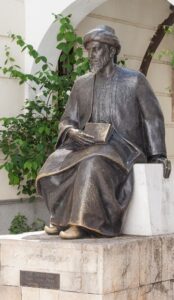 This Friday, the 20th
Physician & Philosopher
|
True Beliefs & Necessary Beliefs
|
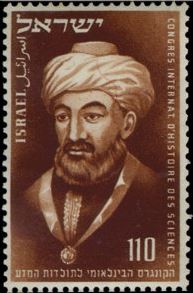 Before his schedule got so hectic with work, in the 1170s and early 1180s, the Rambam had time to produce his two major masterpieces: first the
Laying Down the Law
|
Reincarnation & Afterlife
|
The people of Israel did not believe in Moses because of the miracles he performed. So why did they believe in him? Because when we stood at Sinai, our own eyes saw and our own ears heard the fire, the sounds and the flames, and how Moses approached the cloud and G-d's voice called to him...
–Maimonides
The Holy Temple
A Repository of Articles, Classes, Stories and More Regarding the Beit Hamikdash


Why support the construction?
Together, we can build the Temple for the benefit of mankind
Expressing the desire to build the 3rd Temple in Jerusalem and registering The thirdTemple.org, we are part of a collaborative movement. As our number grows so will our ability to influence the media and on world politics, and thus the project will be realized today.
Chat with our assistant about the Third Temple
Find answers to your questions thanks to the construction of the Third Temple: The project, the history, the legal and political situation but also the plans and the pontifical service which will be carried out at the Temple. Our assistants are here to listen to you. Click:
Every Sunday AM 09.50 (IST) B”H we have our live streaming from the Har HaBayit, every Sunday, from here in Jerusalem….. Via our YouTube channel.
A call up for every Jewish observant to Pray for new good Jewish Leaders in Yisrael.

It is a positive commandment to construct a house for G‑d, prepared to have sacrifices offered within.... as it is written,1 “And you shall make Me a Sanctuary.”
Significantly, the Rambam also mentions the mitzvah of constructing the Beis HaMikdash elsewhere in the Mishneh Torah, in Hilchos Melachim, “The Laws of Kings.” There, however, he focuses on the mitzvah in a different context, stating:2
The Jews were commanded regarding the observance of three mitzvos when they entered Eretz Yisrael: to appoint a king over them.... to wipe out the descendants of Amalek.... and to build [G‑d’s] Chosen House; as it is written,3 “You shall seek out His presence and come to that place.”
The commentaries question: What is the Rambam’s purpose in repeating the commandment to build a Sanctuary in Hilchos Melachim and why in that source does he link together the three mitzvos he mentions?4
The Bond Between These Three Mitzvos
In regard to the latter question, it can be explained that there is an intrinsic connection between these three mitzvos.5 Although they are three separate commandments, the fulfillment of one contributes a measure of perfection to the others. To cite a parallel: The arm tefillin and the head tefillin are two separate mitzvos.6 Nevertheless, when both of these mitzvos are performed together, each one is elevated to a higher level.
Similarly, in regard to the three mitzvos mentioned by the Rambam: The intent is not merely that the mitzvos are to be fulfilled in the chronological order mentioned by the Rambam.7 Instead, the linkage of three mitzvos teaches that the mitzvah of building the Sanctuary can be fulfilled in the most perfect manner, only when first, a king is appointed and then Amalek is destroyed. Similarly, the fulfillment of the mitzvos of destroying Amalek and building a Sanctuary enhance the mitzvah of appointing a king, and the fulfillment of the mitzvah of wiping out Amalek is enhanced by the mitzvos of appointing a king and building the Beis HaMikdash.
This concept is supported by the verses8 cited by the Rambam in the halachah which follows in Hilchos Melachim:9 “And it came to pass, when the king dwelt in his house, and G‑d brought him peace from all the enemies which surrounded him, the king said to the prophet, Natan, ‘Behold, I am sitting in a palace of cedar, [while the Ark of G‑d dwells in curtains].’ ”
These verses indicate how the secure establishment of the monarchy, [“the king dwelt in his house”,] the destruction of Amalek, [“And G‑d brought him peace from all the enemies which surrounded him,”10] and the building of the Beis HaMikdash [David’s request from the prophet Natan] are interrelated.11
Based on the above, we can appreciate a further point: The Rambam’s statements in Hilchos Melachim are based on the Midrash Tanchuma. Nevertheless, he alters the text of that Midrashic passage, choosing a different prooftext. In the Midrash Tanchuma, the prooftext cited for the commandment to build the Beis HaMikdash is the verse: “And you shall make Me a Sanctuary.”12 The Rambam, by contrast, substitutes the verse: “You shall seek out His presence...,” because the context of this verse in the Book of Devarim describes the Jews’ entry into Eretz Yisrael and their progress to a state when “G‑d will grant you peace from all your enemies around you and you will dwell in security.”13
Fulfilling a Mitzvah in Stages
The above concepts also shed light on another related point which has aroused the attention of the commentaries: As mentioned above, the Rambam uses the verse, “And you shall make Me a Sanctuary,” as the prooftext for the mitzvah to build the Beis HaMikdash. This is problematic, for seemingly, this command refers to the construction of the Sanctuary in the desert and not to the construction of the Beis HaMikdash. The passage cited by the Rambam in Hilchos Melachim, by contrast, refers specifically to the construction of the Beis HaMikdash, and indeed, is cited as the source for the commandment to build the Beis HaMikdash by our Sages14 and by our Rabbis.15
It is possible to explain16 that the commandment, “And you shall make Me a Sanctuary,” is general in scope, applying to all the structures which were “a house for G‑d” [i.e., a place where G‑d’s presence was revealed] and “prepared to have sacrifices offered within” [a place for the service of the Jewish people].17 Throughout their history, the Jews fulfilled this commandment in several different ways, beginning with the construction of the Sanctuary in the desert.
In this context, we can resolve a problematic point in Hilchos Beis HaBechirah. Directly after stating the mitzvah to build a Sanctuary, the Rambam continues:
The Sanctuary which Moshe our teacher built is already described in the Torah. It was, however, only temporary in nature....
When [the Jewish people] entered Eretz [Yisrael], they erected the Sanctuary in Gilgal for the fourteen years in which they conquered and divided [the land]. Afterwards, they came to Shiloh and built a structure of stone....
When Eli died, it was destroyed and they came to Nov and built a Sanctuary.18 When Shmuel died, it was destroyed and they came to Givon and built a Sanctuary. From Givon, they came to the [Divine Presence’s] eternal home.
The place of such statements in the Mishneh Torah is problematic. Unlike the Talmud or the Midrashim which are general in content, the Mishneh Torah is exclusively a text of Halachah, Torah law. Points of ethics, philosophy, and history are mentioned only when they are themselves halachos, specific directives governing our conduct. Thus the question can be raised: What halachic points can be derived from the historical background to the construction of the Beis HaMikdash?19
On the basis of the explanation given above, we can, however, appreciate the sequence of these halachos: After the Rambam uses a prooftext which implies that the mitzvah of building a Sanctuary is not confined to one specific structure, he illustrates this point by citing the various different intermediate stages through which our people’s observance of this mitzvah underwent.
Intermediate Way-Stations On the Path to Jerusalem
To return to the concept explained at the outset: The linkage of the mitzvah of constructing a Sanctuary with the mitzvos of appointing a king and wiping out Amalek is also relevant with regard to the other structures mentioned by the Rambam.20 Our Rabbis state that “Moshe Rabbeinu served as a king,”21 and the construction of the Sanctuary followed the war in which Yehoshua defeated Amalek.22
The title “king” was also applied to Yehoshua23 who constructed the Sanctuary at Shiloh, and to Shmuel,24 who constructed the Sanctuary at Nov. We are unsure of the exact time of the construction of the Sanctuary at Givon. We may, however, assume that one of the following — Shaul, David, or Shmuel, all of whom either served, or were described, as kings — was involved in its construction. Similarly, at the time these structures were built, the people had reached progressively more developed stages of being “at peace from the enemies around them.” Nevertheless, just as the monarchy and Israel’s peace had not been established in a complete manner at the time of these structures, these structures did not represent a complete manifestation of the indwelling of the Divine Presence, nor did they fulfill the ideal conception of a center for the sacrificial worship of the Jewish people.
It was not until “the king dwelt in his house, and G‑d brought him peace from all the enemies which surrounded him,” i.e., David had securely established the monarchy and brought peace to the land, that it was possible to build the Beis HaMikdash.
The Ultimate Beis HaMikdash
Based on the above, we can appreciate one of the positive dimensions that will be possessed by the Third Beis HaMikdash. That structure will be built by Mashiach,25 the ultimate Jewish monarch, and will be constructed after he “wages the wars of G‑d, defeating all the nations around him.”26 Among these wars will be the total annihilation of Amalek.27 Thus, since in the Era of the Redemption, the other two mitzvos, the appointment of a king and the destruction of Amalek, will have been fulfilled in a perfect matter, this will contribute an added dimension of perfection to the mitzvah of constructing the Beis HaMikdash.
We can hasten the coming of this era through our divine service. To explain: In chassidic thought,28 the appointment of a king is associated with developing inner bittul, nullifying oneself to G‑d. This in turn allows a person to “drive out” Amalek from his being, to free himself from pride, egotism, and other undesirable character traits. Such personal refinement allows him to proceed further and transform his person, his home, and his surroundings into a “sanctuary in microcosm,” in which the Divine Presence can rest.29
This will serve as a catalyst for change in the world at large. For each particular manifestation of the Divine Presence within the world hastens the coming of the time when the Divine Presence will again be revealed, and not merely in microcosm. At that time, “the world will be filled with the knowledge of G‑d as the waters cover the ocean bed.”30 May this take place in the immediate future.
Adapted from Likkutei Sichos, Vol. VI, Terumah
Significantly, the Rambam also mentions the mitzvah of constructing the Beis HaMikdash elsewhere in the Mishneh Torah, in Hilchos Melachim, “The Laws of Kings.” There, however, he focuses on the mitzvah in a different context, stating:2
The Jews were commanded regarding the observance of three mitzvos when they entered Eretz Yisrael: to appoint a king over them.... to wipe out the descendants of Amalek.... and to build [G‑d’s] Chosen House; as it is written,3 “You shall seek out His presence and come to that place.”
The commentaries question: What is the Rambam’s purpose in repeating the commandment to build a Sanctuary in Hilchos Melachim and why in that source does he link together the three mitzvos he mentions?4
The Bond Between These Three Mitzvos
In regard to the latter question, it can be explained that there is an intrinsic connection between these three mitzvos.5 Although they are three separate commandments, the fulfillment of one contributes a measure of perfection to the others. To cite a parallel: The arm tefillin and the head tefillin are two separate mitzvos.6 Nevertheless, when both of these mitzvos are performed together, each one is elevated to a higher level.
Similarly, in regard to the three mitzvos mentioned by the Rambam: The intent is not merely that the mitzvos are to be fulfilled in the chronological order mentioned by the Rambam.7 Instead, the linkage of three mitzvos teaches that the mitzvah of building the Sanctuary can be fulfilled in the most perfect manner, only when first, a king is appointed and then Amalek is destroyed. Similarly, the fulfillment of the mitzvos of destroying Amalek and building a Sanctuary enhance the mitzvah of appointing a king, and the fulfillment of the mitzvah of wiping out Amalek is enhanced by the mitzvos of appointing a king and building the Beis HaMikdash.
This concept is supported by the verses8 cited by the Rambam in the halachah which follows in Hilchos Melachim:9 “And it came to pass, when the king dwelt in his house, and G‑d brought him peace from all the enemies which surrounded him, the king said to the prophet, Natan, ‘Behold, I am sitting in a palace of cedar, [while the Ark of G‑d dwells in curtains].’ ”
These verses indicate how the secure establishment of the monarchy, [“the king dwelt in his house”,] the destruction of Amalek, [“And G‑d brought him peace from all the enemies which surrounded him,”10] and the building of the Beis HaMikdash [David’s request from the prophet Natan] are interrelated.11
Based on the above, we can appreciate a further point: The Rambam’s statements in Hilchos Melachim are based on the Midrash Tanchuma. Nevertheless, he alters the text of that Midrashic passage, choosing a different prooftext. In the Midrash Tanchuma, the prooftext cited for the commandment to build the Beis HaMikdash is the verse: “And you shall make Me a Sanctuary.”12 The Rambam, by contrast, substitutes the verse: “You shall seek out His presence...,” because the context of this verse in the Book of Devarim describes the Jews’ entry into Eretz Yisrael and their progress to a state when “G‑d will grant you peace from all your enemies around you and you will dwell in security.”13
Fulfilling a Mitzvah in Stages
The above concepts also shed light on another related point which has aroused the attention of the commentaries: As mentioned above, the Rambam uses the verse, “And you shall make Me a Sanctuary,” as the prooftext for the mitzvah to build the Beis HaMikdash. This is problematic, for seemingly, this command refers to the construction of the Sanctuary in the desert and not to the construction of the Beis HaMikdash. The passage cited by the Rambam in Hilchos Melachim, by contrast, refers specifically to the construction of the Beis HaMikdash, and indeed, is cited as the source for the commandment to build the Beis HaMikdash by our Sages14 and by our Rabbis.15
It is possible to explain16 that the commandment, “And you shall make Me a Sanctuary,” is general in scope, applying to all the structures which were “a house for G‑d” [i.e., a place where G‑d’s presence was revealed] and “prepared to have sacrifices offered within” [a place for the service of the Jewish people].17 Throughout their history, the Jews fulfilled this commandment in several different ways, beginning with the construction of the Sanctuary in the desert.
In this context, we can resolve a problematic point in Hilchos Beis HaBechirah. Directly after stating the mitzvah to build a Sanctuary, the Rambam continues:
The Sanctuary which Moshe our teacher built is already described in the Torah. It was, however, only temporary in nature....
When [the Jewish people] entered Eretz [Yisrael], they erected the Sanctuary in Gilgal for the fourteen years in which they conquered and divided [the land]. Afterwards, they came to Shiloh and built a structure of stone....
When Eli died, it was destroyed and they came to Nov and built a Sanctuary.18 When Shmuel died, it was destroyed and they came to Givon and built a Sanctuary. From Givon, they came to the [Divine Presence’s] eternal home.
The place of such statements in the Mishneh Torah is problematic. Unlike the Talmud or the Midrashim which are general in content, the Mishneh Torah is exclusively a text of Halachah, Torah law. Points of ethics, philosophy, and history are mentioned only when they are themselves halachos, specific directives governing our conduct. Thus the question can be raised: What halachic points can be derived from the historical background to the construction of the Beis HaMikdash?19
On the basis of the explanation given above, we can, however, appreciate the sequence of these halachos: After the Rambam uses a prooftext which implies that the mitzvah of building a Sanctuary is not confined to one specific structure, he illustrates this point by citing the various different intermediate stages through which our people’s observance of this mitzvah underwent.
Intermediate Way-Stations On the Path to Jerusalem
To return to the concept explained at the outset: The linkage of the mitzvah of constructing a Sanctuary with the mitzvos of appointing a king and wiping out Amalek is also relevant with regard to the other structures mentioned by the Rambam.20 Our Rabbis state that “Moshe Rabbeinu served as a king,”21 and the construction of the Sanctuary followed the war in which Yehoshua defeated Amalek.22
The title “king” was also applied to Yehoshua23 who constructed the Sanctuary at Shiloh, and to Shmuel,24 who constructed the Sanctuary at Nov. We are unsure of the exact time of the construction of the Sanctuary at Givon. We may, however, assume that one of the following — Shaul, David, or Shmuel, all of whom either served, or were described, as kings — was involved in its construction. Similarly, at the time these structures were built, the people had reached progressively more developed stages of being “at peace from the enemies around them.” Nevertheless, just as the monarchy and Israel’s peace had not been established in a complete manner at the time of these structures, these structures did not represent a complete manifestation of the indwelling of the Divine Presence, nor did they fulfill the ideal conception of a center for the sacrificial worship of the Jewish people.
It was not until “the king dwelt in his house, and G‑d brought him peace from all the enemies which surrounded him,” i.e., David had securely established the monarchy and brought peace to the land, that it was possible to build the Beis HaMikdash.
The Ultimate Beis HaMikdash
Based on the above, we can appreciate one of the positive dimensions that will be possessed by the Third Beis HaMikdash. That structure will be built by Mashiach,25 the ultimate Jewish monarch, and will be constructed after he “wages the wars of G‑d, defeating all the nations around him.”26 Among these wars will be the total annihilation of Amalek.27 Thus, since in the Era of the Redemption, the other two mitzvos, the appointment of a king and the destruction of Amalek, will have been fulfilled in a perfect matter, this will contribute an added dimension of perfection to the mitzvah of constructing the Beis HaMikdash.
We can hasten the coming of this era through our divine service. To explain: In chassidic thought,28 the appointment of a king is associated with developing inner bittul, nullifying oneself to G‑d. This in turn allows a person to “drive out” Amalek from his being, to free himself from pride, egotism, and other undesirable character traits. Such personal refinement allows him to proceed further and transform his person, his home, and his surroundings into a “sanctuary in microcosm,” in which the Divine Presence can rest.29
This will serve as a catalyst for change in the world at large. For each particular manifestation of the Divine Presence within the world hastens the coming of the time when the Divine Presence will again be revealed, and not merely in microcosm. At that time, “the world will be filled with the knowledge of G‑d as the waters cover the ocean bed.”30 May this take place in the immediate future.
Adapted from Likkutei Sichos, Vol. VI, Terumah
חזרה על מצווה
כפי שנהוג בהלכות רבות במשנה תורה, הרמב"ם פותח את הלכות בית הבחירה, "הלכות בית הבחירה", בקביעת המצווה הבסיסית שעליה מבוסס כל אוסף ההלכות הבא:
מצות עשה היא לבנות בית לה', מוכן להקריב בו זבחים... ככתוב, 1 "ועשית לי מקדש".
ראוי לציין שהרמב"ם מזכיר גם את מצוות בניית בית המקדש במקום אחר במשנה תורה, בהלכות מלכים. שם, לעומת זאת, הוא מתמקד במצווה בהקשר שונה, באומרו:2
היהודים נצטוו לקיים שלוש מצוות בכניסתם לארץ ישראל: למנות עליהם מלך... למחות את צאצאי עמלק... ולבנות את בית הבחירה [של ה'] ככתוב, "ובקשת את פניו ובאת אל המקום ההוא".
הפירושים שואלים: מהי מטרת הרמב"ם לחזור על מצוות בניית משכן בהלכות מלכים ומדוע במקור זה הוא מקשר יחד את שלוש המצוות שהוא מזכיר?4
הקשר בין שלוש המצוות הללו
בנוגע לשאלה האחרונה, ניתן להסביר כי קיים קשר מהותי בין שלוש המצוות הללו.5 למרות שמדובר בשלוש מצוות נפרדות, קיום אחת מהן תורם מידה מסוימת של שלמות לאחרות. כדי לציין מקבילה: תפילין יד ותפילין ראש הן שתי מצוות נפרדות.6 אף על פי כן, כאשר שתי המצוות הללו מתבצעות יחד, כל אחת מהן מתעלה לרמה גבוהה יותר.
באופן דומה, בנוגע לשלוש המצוות המוזכרות על ידי הרמב"ם: הכוונה אינה רק שהמצוות יתקיימו בסדר הכרונולוגי המוזכר על ידי הרמב"ם.7 במקום זאת, הקישור בין שלוש המצוות מלמד שניתן לקיים את מצוות בניית המקדש בצורה המושלמת ביותר, רק כאשר תחילה ממונים מלך ולאחר מכן מושמד עמלק. באופן דומה, קיום מצוות השמדת עמלק ובניית המקדש מחזקים את מצוות מינוי מלך, וקיום מצוות מחיית עמלק מתחזק על ידי מצוות מינוי מלך ובניית בית המקדש.
תפיסה זו נתמכת על ידי הפסוקים8 המצוטטים על ידי הרמב"ם בהלכה הבאה לאחר מכן בהלכות מלכים9: "וַיְהִי כִּי הַמֶּלֶךְ יָשַׁב בְּבֵיתוֹ וַיַּשְׁבֵּא לוֹ אֱלֹהִים מִכָּל הָאֱלֹהִים אֲשֶׁר סַבְּבָתוֹ וַיֹּאמֶר הַמֶּלֶךְ אֶל הַנָּבִיא נָתָן הִנֵּה אָנֹכִי יוֹשֵׁב בְּהֵימוֹן אֶרֶן אֱלֹהִים יוֹשֵׁב בְּיָרוֹת"".
פסוקים אלה מצביעים על קשרים אלו בין הקמתה הבטוחה של המלוכה ["וישב המלך בביתו",] השמדת עמלק ["והביא לו ה' שלום מכל אויביו אשר סביבו", 10] ובניית בית המקדש [בקשתו של דוד מהנביא נתן] 11.
בהתבסס על האמור לעיל, נוכל להבין נקודה נוספת: דבריו של הרמב"ם בהלכות מלכים מבוססים על מדרש תנחומא. אף על פי כן, הוא משנה את נוסח הקטע המדרשי הזה, ובוחר בנוסח הוכחה אחר. במדרש תנחומא, נוסח ההוכחה המצוטט לציווי לבנות את בית המקדש הוא הפסוק: "ועשית לי מקדש".12 הרמב"ם, לעומת זאת, מחליף את הפסוק: "ובקשת את פניו...", משום שההקשר של פסוק זה בספר דברים מתאר את כניסתם של היהודים לארץ ישראל ואת התקדמותם למצב שבו "יתן לך ה' שלום מכל אויביך סביבך ושכנת בבטחה".13
קיום מצווה בשלבים
המושגים הנ"ל שופכים אור גם על נקודה קשורה נוספת שעוררה את תשומת ליבם של המפרשים: כפי שצוין לעיל, הרמב"ם משתמש בפסוק "ועשית לי מקדש" כהוכחה למצוות בניית בית המקדש. זה בעייתי, שכן לכאורה, ציווי זה מתייחס לבניית המקדש במדבר ולא לבניית בית המקדש. הקטע המצוטט על ידי הרמב"ם בהלכות מלכים, לעומת זאת, מתייחס ספציפית לבניית בית המקדש, ואכן, מצוטט כמקור לציווי בניית בית המקדש על ידי חכמינו14 ועל ידי רבותינו15.
ניתן להסביר16 שהמצווה "ועשית לי מקדש" היא כללית בהיקפה, וחלה על כל המבנים שהיו "בית לה'" [כלומר, מקום בו התגלתה נוכחותו של ה'] ו"מוכנים להקריב בתוכם זבחים" [מקום לעבודת העם היהודי].17 לאורך ההיסטוריה שלהם, היהודים מילאו מצווה זו בכמה דרכים שונות, החל בבניית המקדש במדבר.
בהקשר זה, נוכל לפתור נקודה בעייתית בהלכות בית הבחירה. מיד לאחר קביעת המצווה לבנות בית קדש, ממשיך הרמב"ם:
המקדש שבנה משה רבנו כבר מתואר בתורה. אולם, הוא היה זמני בלבד...
כאשר נכנסו [העם היהודי] לארץ [ישראל], הם הקימו את המקדש בגלגל למשך ארבע עשרה השנים שבהן כבשו וחילקו [את הארץ]. לאחר מכן באו לשילה ובנו מבנה מאבן...
כאשר מת עלי, היא נהרסה והם באו לנוב ובנו מקדש. 18 כאשר מת שמואל, היא נהרסה והם באו גבעון ובנו מקדש. מגבעון, הם באו לבית הנצחי [של הנוכחות האלוהית].
מקומן של אמירות כאלה במשנה תורה הוא בעייתי. בניגוד לתלמוד או למדרשים, שהם כלליים בתוכנם, משנה תורה היא אך ורק טקסט של הלכה. נקודות מוסר, פילוסופיה והיסטוריה מוזכרות רק כאשר הן עצמן הלכות, הנחיות ספציפיות המסדירות את התנהגותנו. לפיכך ניתן להעלות את השאלה: אילו נקודות הלכתיות ניתן להסיק מהרקע ההיסטורי לבניית בית המקדש?19
על סמך ההסבר שניתן לעיל, אנו יכולים, עם זאת, להעריך את רצף ההלכות הללו: לאחר שהרמב"ם משתמש בפסוק הוכחה שמרמז שמצוות בניית משכן אינה מוגבלת למבנה אחד ספציפי, הוא מדגים נקודה זו על ידי ציטוט שלבי הביניים השונים שעבר עמנו על קיום מצווה זו.
תחנות ביניים בדרך לירושלים
נחזור למושג שהוסבר בתחילת הספר: הקשר בין מצוות בניית בית מקדש למצוות מינוי מלך ומחיית עמלק רלוונטי גם לגבי המבנים האחרים שהוזכרו על ידי הרמב"ם.20 רבותינו קובעים ש"משה רבינו שימש כמלך",21 ובניית בית המקדש באה לאחר המלחמה שבה ניצח יהושע את עמלק.22
התואר "מלך" יושם גם על יהושע23 שבנה את המקדש בשילה, ועל שמואל24 שבנה את המקדש בנובמבר. איננו בטוחים את הזמן המדויק של בניית המקדש בגבעון. עם זאת, אנו רשאים להניח שאחד מהבאים - שאול, דוד או שמואל, שכולם שירתו או תוארו כמלכים - היה מעורב בבנייתו. באופן דומה, בזמן בניית מבנים אלה, העם הגיע לשלבים מתקדמים יותר ויותר של "שלום מפני האויבים סביבו". אף על פי כן, כשם שהמונרכיה ושלום ישראל לא הוקמו באופן שלם בזמן בניית מבנים אלה, מבנים אלה לא ייצגו ביטוי שלם של שכינת הנוכחות האלוהית, וגם לא מילאו את התפיסה האידיאלית של מרכז לעבודת הקורבנות של העם היהודי.
רק כאשר "ישב המלך בביתו, וה' השליכו אותו מכל אויביו אשר סביבו", כלומר, דוד ביסס את המלוכה בבטחה והביא שלום לארץ, ניתן היה לבנות את בית המקדש.
בית המקדש האולטימטיבי
בהתבסס על האמור לעיל, אנו יכולים להעריך את אחד הממדים החיוביים שיהיו בבית המקדש השלישי. מבנה זה ייבנה על ידי משיח,25 המלך היהודי האולטימטיבי, וייבנה לאחר שהוא "יעשה את מלחמות ה' וינצח את כל הגויים סביבו".26 בין המלחמות הללו תהיה השמדתו המוחלטת של עמלק.27 לפיכך, מכיוון שבתקופת הגאולה, שתי המצוות האחרות, מינוי מלך והשמדת עמלק, יתקיימו בצורה מושלמת, הדבר יתרום ממד נוסף של שלמות למצוות בניית בית המקדש.
אנו יכולים לזרז את בוא העידן הזה באמצעות עבודת האל שלנו. להסבר: במחשבה החסידית,28 מינוי מלך קשור לפיתוח ביטול פנימי, ביטול עצמי בפני ה'. זה בתורו מאפשר לאדם "לגרש" את עמלק מהווייתו, להשתחרר מגאווה, אנוכיות ותכונות אופי לא רצויות אחרות. עידון אישי כזה מאפשר לו להתקדם הלאה ולהפוך את גופו, ביתו וסביבתו ל"מקדש במיקרוקוסמוס", שבו השכינה יכולה לנוח.29
זה ישמש כזרז לשינוי בעולם כולו. כי כל ביטוי מסוים של הנוכחות האלוהית בעולם מאיץ את בואו של הזמן שבו הנוכחות האלוהית תתגלה שוב, ולא רק במיקרוקוסמוס. באותו זמן, "ימלא העולם דעה את אלוהים כמים מכסים את קרקעית האוקיינוס".30 מי ייתן וזה יקרה בעתיד הקרוב.
עיבוד מתוך ליקוטי שיחות, כרך. VI, Terumah
כפי שנהוג בהלכות רבות במשנה תורה, הרמב"ם פותח את הלכות בית הבחירה, "הלכות בית הבחירה", בקביעת המצווה הבסיסית שעליה מבוסס כל אוסף ההלכות הבא:
מצות עשה היא לבנות בית לה', מוכן להקריב בו זבחים... ככתוב, 1 "ועשית לי מקדש".
ראוי לציין שהרמב"ם מזכיר גם את מצוות בניית בית המקדש במקום אחר במשנה תורה, בהלכות מלכים. שם, לעומת זאת, הוא מתמקד במצווה בהקשר שונה, באומרו:2
היהודים נצטוו לקיים שלוש מצוות בכניסתם לארץ ישראל: למנות עליהם מלך... למחות את צאצאי עמלק... ולבנות את בית הבחירה [של ה'] ככתוב, "ובקשת את פניו ובאת אל המקום ההוא".
הפירושים שואלים: מהי מטרת הרמב"ם לחזור על מצוות בניית משכן בהלכות מלכים ומדוע במקור זה הוא מקשר יחד את שלוש המצוות שהוא מזכיר?4
הקשר בין שלוש המצוות הללו
בנוגע לשאלה האחרונה, ניתן להסביר כי קיים קשר מהותי בין שלוש המצוות הללו.5 למרות שמדובר בשלוש מצוות נפרדות, קיום אחת מהן תורם מידה מסוימת של שלמות לאחרות. כדי לציין מקבילה: תפילין יד ותפילין ראש הן שתי מצוות נפרדות.6 אף על פי כן, כאשר שתי המצוות הללו מתבצעות יחד, כל אחת מהן מתעלה לרמה גבוהה יותר.
באופן דומה, בנוגע לשלוש המצוות המוזכרות על ידי הרמב"ם: הכוונה אינה רק שהמצוות יתקיימו בסדר הכרונולוגי המוזכר על ידי הרמב"ם.7 במקום זאת, הקישור בין שלוש המצוות מלמד שניתן לקיים את מצוות בניית המקדש בצורה המושלמת ביותר, רק כאשר תחילה ממונים מלך ולאחר מכן מושמד עמלק. באופן דומה, קיום מצוות השמדת עמלק ובניית המקדש מחזקים את מצוות מינוי מלך, וקיום מצוות מחיית עמלק מתחזק על ידי מצוות מינוי מלך ובניית בית המקדש.
תפיסה זו נתמכת על ידי הפסוקים8 המצוטטים על ידי הרמב"ם בהלכה הבאה לאחר מכן בהלכות מלכים9: "וַיְהִי כִּי הַמֶּלֶךְ יָשַׁב בְּבֵיתוֹ וַיַּשְׁבֵּא לוֹ אֱלֹהִים מִכָּל הָאֱלֹהִים אֲשֶׁר סַבְּבָתוֹ וַיֹּאמֶר הַמֶּלֶךְ אֶל הַנָּבִיא נָתָן הִנֵּה אָנֹכִי יוֹשֵׁב בְּהֵימוֹן אֶרֶן אֱלֹהִים יוֹשֵׁב בְּיָרוֹת"".
פסוקים אלה מצביעים על קשרים אלו בין הקמתה הבטוחה של המלוכה ["וישב המלך בביתו",] השמדת עמלק ["והביא לו ה' שלום מכל אויביו אשר סביבו", 10] ובניית בית המקדש [בקשתו של דוד מהנביא נתן] 11.
בהתבסס על האמור לעיל, נוכל להבין נקודה נוספת: דבריו של הרמב"ם בהלכות מלכים מבוססים על מדרש תנחומא. אף על פי כן, הוא משנה את נוסח הקטע המדרשי הזה, ובוחר בנוסח הוכחה אחר. במדרש תנחומא, נוסח ההוכחה המצוטט לציווי לבנות את בית המקדש הוא הפסוק: "ועשית לי מקדש".12 הרמב"ם, לעומת זאת, מחליף את הפסוק: "ובקשת את פניו...", משום שההקשר של פסוק זה בספר דברים מתאר את כניסתם של היהודים לארץ ישראל ואת התקדמותם למצב שבו "יתן לך ה' שלום מכל אויביך סביבך ושכנת בבטחה".13
קיום מצווה בשלבים
המושגים הנ"ל שופכים אור גם על נקודה קשורה נוספת שעוררה את תשומת ליבם של המפרשים: כפי שצוין לעיל, הרמב"ם משתמש בפסוק "ועשית לי מקדש" כהוכחה למצוות בניית בית המקדש. זה בעייתי, שכן לכאורה, ציווי זה מתייחס לבניית המקדש במדבר ולא לבניית בית המקדש. הקטע המצוטט על ידי הרמב"ם בהלכות מלכים, לעומת זאת, מתייחס ספציפית לבניית בית המקדש, ואכן, מצוטט כמקור לציווי בניית בית המקדש על ידי חכמינו14 ועל ידי רבותינו15.
ניתן להסביר16 שהמצווה "ועשית לי מקדש" היא כללית בהיקפה, וחלה על כל המבנים שהיו "בית לה'" [כלומר, מקום בו התגלתה נוכחותו של ה'] ו"מוכנים להקריב בתוכם זבחים" [מקום לעבודת העם היהודי].17 לאורך ההיסטוריה שלהם, היהודים מילאו מצווה זו בכמה דרכים שונות, החל בבניית המקדש במדבר.
בהקשר זה, נוכל לפתור נקודה בעייתית בהלכות בית הבחירה. מיד לאחר קביעת המצווה לבנות בית קדש, ממשיך הרמב"ם:
המקדש שבנה משה רבנו כבר מתואר בתורה. אולם, הוא היה זמני בלבד...
כאשר נכנסו [העם היהודי] לארץ [ישראל], הם הקימו את המקדש בגלגל למשך ארבע עשרה השנים שבהן כבשו וחילקו [את הארץ]. לאחר מכן באו לשילה ובנו מבנה מאבן...
כאשר מת עלי, היא נהרסה והם באו לנוב ובנו מקדש. 18 כאשר מת שמואל, היא נהרסה והם באו גבעון ובנו מקדש. מגבעון, הם באו לבית הנצחי [של הנוכחות האלוהית].
מקומן של אמירות כאלה במשנה תורה הוא בעייתי. בניגוד לתלמוד או למדרשים, שהם כלליים בתוכנם, משנה תורה היא אך ורק טקסט של הלכה. נקודות מוסר, פילוסופיה והיסטוריה מוזכרות רק כאשר הן עצמן הלכות, הנחיות ספציפיות המסדירות את התנהגותנו. לפיכך ניתן להעלות את השאלה: אילו נקודות הלכתיות ניתן להסיק מהרקע ההיסטורי לבניית בית המקדש?19
על סמך ההסבר שניתן לעיל, אנו יכולים, עם זאת, להעריך את רצף ההלכות הללו: לאחר שהרמב"ם משתמש בפסוק הוכחה שמרמז שמצוות בניית משכן אינה מוגבלת למבנה אחד ספציפי, הוא מדגים נקודה זו על ידי ציטוט שלבי הביניים השונים שעבר עמנו על קיום מצווה זו.
תחנות ביניים בדרך לירושלים
נחזור למושג שהוסבר בתחילת הספר: הקשר בין מצוות בניית בית מקדש למצוות מינוי מלך ומחיית עמלק רלוונטי גם לגבי המבנים האחרים שהוזכרו על ידי הרמב"ם.20 רבותינו קובעים ש"משה רבינו שימש כמלך",21 ובניית בית המקדש באה לאחר המלחמה שבה ניצח יהושע את עמלק.22
התואר "מלך" יושם גם על יהושע23 שבנה את המקדש בשילה, ועל שמואל24 שבנה את המקדש בנובמבר. איננו בטוחים את הזמן המדויק של בניית המקדש בגבעון. עם זאת, אנו רשאים להניח שאחד מהבאים - שאול, דוד או שמואל, שכולם שירתו או תוארו כמלכים - היה מעורב בבנייתו. באופן דומה, בזמן בניית מבנים אלה, העם הגיע לשלבים מתקדמים יותר ויותר של "שלום מפני האויבים סביבו". אף על פי כן, כשם שהמונרכיה ושלום ישראל לא הוקמו באופן שלם בזמן בניית מבנים אלה, מבנים אלה לא ייצגו ביטוי שלם של שכינת הנוכחות האלוהית, וגם לא מילאו את התפיסה האידיאלית של מרכז לעבודת הקורבנות של העם היהודי.
רק כאשר "ישב המלך בביתו, וה' השליכו אותו מכל אויביו אשר סביבו", כלומר, דוד ביסס את המלוכה בבטחה והביא שלום לארץ, ניתן היה לבנות את בית המקדש.
בית המקדש האולטימטיבי
בהתבסס על האמור לעיל, אנו יכולים להעריך את אחד הממדים החיוביים שיהיו בבית המקדש השלישי. מבנה זה ייבנה על ידי משיח,25 המלך היהודי האולטימטיבי, וייבנה לאחר שהוא "יעשה את מלחמות ה' וינצח את כל הגויים סביבו".26 בין המלחמות הללו תהיה השמדתו המוחלטת של עמלק.27 לפיכך, מכיוון שבתקופת הגאולה, שתי המצוות האחרות, מינוי מלך והשמדת עמלק, יתקיימו בצורה מושלמת, הדבר יתרום ממד נוסף של שלמות למצוות בניית בית המקדש.
אנו יכולים לזרז את בוא העידן הזה באמצעות עבודת האל שלנו. להסבר: במחשבה החסידית,28 מינוי מלך קשור לפיתוח ביטול פנימי, ביטול עצמי בפני ה'. זה בתורו מאפשר לאדם "לגרש" את עמלק מהווייתו, להשתחרר מגאווה, אנוכיות ותכונות אופי לא רצויות אחרות. עידון אישי כזה מאפשר לו להתקדם הלאה ולהפוך את גופו, ביתו וסביבתו ל"מקדש במיקרוקוסמוס", שבו השכינה יכולה לנוח.29
זה ישמש כזרז לשינוי בעולם כולו. כי כל ביטוי מסוים של הנוכחות האלוהית בעולם מאיץ את בואו של הזמן שבו הנוכחות האלוהית תתגלה שוב, ולא רק במיקרוקוסמוס. באותו זמן, "ימלא העולם דעה את אלוהים כמים מכסים את קרקעית האוקיינוס".30 מי ייתן וזה יקרה בעתיד הקרוב.
Beit Yisrael International: Israel, a Light unto the nations

Shalom Am Yisrael,
I would like to call you up, please come and help me? As an Orthodox Jew for many years now I am reaching out to The Lost Sheep from the House of Yisrael. With my friend Gaddi, from India, we started to gather The Lost Sheep from the House of Yisrael in India. As the non-profit organization Beit Yisrael International. Groups of people with diverse backgrounds becoming associated with Beit Yisrael International as: Ultra-Orthodox Chassidic/Lost Tribes of Efrayim/'Ger Toshav', Israelite by accepting the Shulchan Aruch and Chasidut, the teachings of CHaBaD by hearing and doing. The goal of Beit Yisrael International is that they find a way back home, to Eretz Yisrael, under rabbinical supervision.
Today, because of the war that we have with Amalek things are changing…….. At the end of the war, when we come to total victory over Amalek, we shall start to build a House for HaShem and near His House a house for The Great Sanhedrin. Their house is near the Restored Kodesh Chodeshim from where we/they shall ‘hear’ His Voice again, teaches by the restored Priest hood with the Kohen Gadol/Messiah……
We started with Beit Yisrael International on the Har HaBayit. ‘The birthplace’ of Beit Yisrael International. Like it was for me: Ariel, born as a ‘lost Jew.’ But…… It became clear to me on the Har HaBayit:
‘Tehelim Chapter 87,
6[When] the Lord counts in the script of the peoples forever, [He will say,] "This one was born there."
Rashi: The Lord counts in the script of the peoples, “This one, etc.”. This is a transposed verse, and סלה, forever, which is said at the end, refers to the beginning: When the Lord counts in the script of the peoples forever. That means that in the future, when the Holy One, blessed be He, inscribes the nations for an abhorrence, He will count the Israelites who are assimilated among them and those who were coerced [to abandon Judaism] among them and extract them from their midst, and [He shall] say, “This one was born of those of Zion,” and He will choose them for Himself. This is what Isaiah says (66:21): “And from them, too, will I take for priests and for Levites.” From the nations bringing them for tribute, I shall take those assimilated among them. And there will be among them priests and Levites who are unrecognizable, but they are revealed to Me, says the Lord. Now where did He say it? (Deut. 29:28) “The secret things belong to the Lord, our God.”’
Please think about the words of Rabbi Eliezer Melamed, the founder of the Yeshiva Har Bracha,
‘Ger Toshav’: Obstacles and Aspirations
The Torah’s vision is that in the Land of Israel, besides the Jewish nation, only those who share in Israel’s mission of being a ‘light unto the nations’ may live here * The controversy surrounding the issue of non-Jews residing in the Land of Israel today, when the status of ‘ger toshav’ (resident alien) does not apply * The Druze meet the conditions of ‘ger toshav’, as opposed to those Arabs who support terrorists, and do not recognize Israeli sovereignty * Presently, fulfilling the mitzvah to expel the hostile minority is impractical * In spite of this, the concept of ’ger toshav’ should be studied in depth, and aspire to implement when possible * Once we delve deeper into the moral logic of the mitzvah, it will serve as a model for all countries coping with immigrants
Non-Jews Residing in the Land of Israel
The grand vision of the Jewish nation in its land is for the land to be inhabited by the Jewish people, on the Temple Mount in Jerusalem the Holy Temple will stand, all forms of national life will be conducted according to the teachings of the Torah morally and with holiness and the people of Israel will be a light unto the nations who will come to visit Israel and receive inspiration for their nations’ betterment and that of the world, as expressed in the words of the prophet: “In the last days, the mountain of the Lord’s house will be the highest of all— the most important place on earth. It will be raised above the other hills, and people from all over the world will stream there to worship. People from many nations will come and say, ‘Come, let us go up to the mountain of the Lord, to the house of Jacob’s God. There he will teach us his ways, and we will walk in his paths.’ For the Lord’s teaching will go out from Zion; his word will go out from Jerusalem. The Lord will mediate between nations and will settle international disputes. They will hammer their swords into plowshares and their spears into pruning hooks. Nation will no longer fight against nation, nor train for war anymore” (Isaiah 2: 2-4).
To achieve this vision, the entire land must be inhabited by Jews, and only non-Jews wishing to be part of Israel’s grand vision will be able to join the Jewish people in the status of a ‘ger toshav‘, or technically, a ‘resident alien’. While the road to realizing the vision is still long, we should nevertheless strive to the best of our ability to achieve it.
Source: 'Ger Toshav': Obstacles and Aspirations - Yeshivat Har Bracha
According to traditional interpretations, for a ger toshav to be formally recognized and permitted to reside in the Land of Israel, their commitment had to be accepted by a rabbinic court (Beit Din) during a time when the Jubilee year (Yovel) was observed.
What shall happen by the end, total victory over Amalek, of the current war:
The Building of a House for HaShem, on the Har HaBayit, and near it the Building for HaShem a House for The Great Sanhedrin The Jewish (ordained rabbis) Court System (a complete replacement of the current High Court System of Israel).
After helping Gaddi to build Beit Yisrael International, I like to ask ALL Yisrael Lovers, Jews and Coming Ger Toshavim: Do you like to help me starting to build a special social network, like Facebook? I need minimal 300 dollars for the creation/the start of this special Social Network. Help me with donating until I have 300 dollars?
This Social Network shall be owned by the non-profit Beit Yisrael International.
The administration of this Social Network is by me: Ariel van Kessel WhatsApp: +972 54-568-3031 for making an appointment for further information.
This Social Network comes under the Domain of Har HaBayit Jewish Sovereign for all Israel
For every Israel Lover it should be free to join. But not for commercials they can contact me. You don’t have to become a member of Beit Yisrael International.
Ultimate goal of this Social Network: in Love to each other creating the community ‘a light unto the nations’ coming from The Har HaBayit by our Prayers on the Har HaBayit.
Please send you donations, with the description ‘a light unto the nations’, to:
Click:

For further study:
In the Torah, Is the Ger Ever a Convert?
Conversion to Judaism as we know it is a rabbinic development, but what, then is the biblical ger, and why does he need to be circumcised to eat from the paschal offering?
Key Aspects of a Ger Toshav
- Non-Jew: A ger toshav remains a Gentile and does not convert to Judaism.
Residence in Israel: The concept of ger toshav is linked to residence within the land of Israel under Jewish sovereignty. - Seven Noahide Laws: They are obligated to observe these universal laws, which include prohibitions against idolatry, murder, theft, sexual immorality, blasphemy, eating flesh from a living animal, and establishing courts of justice.
Pious of the Nations (Chassid Umot HaOlam): By observing these laws, they are considered one of the "pious people of the world" or "pious of the nations," receiving a place in the World to Come. - Difference from a Ger Tzedek : Unlike a ger toshav, a ger tzedek is a full convert to Judaism.
- Significance of the Concept
- Universal Morality:
The concept highlights that certain fundamental moral and ethical principles are binding on all of humanity, not just Jews.
- A Place in the World to Come:
It offers non-Jews who commit to living righteously the opportunity to attain spiritual reward.
- A Model for Inter-Group Relations:
The idea of ger toshav has been studied as a model for how societies might welcome and integrate non-Jewish residents, particularly in the Land of Israel.
For the members of the Social Network: 'Israel, a Light into the nations' we have no problems with people of 'other' religions as long they hold on:
'Universal Morality:
The concept highlights that certain fundamental moral and ethical principles are binding on all of humanity, not just Jews.
The people, the members, share in Israel’s mission of being a ‘light unto the nations'. In practice more than the 7 Laws of Noah but not all of the Jewish Laws but all the Laws according to the rabbinical teachings for the Ger Toshave. In the future to be decided, to be a Ger Toshave when there is the Great Sanhedrin. But now already studying the Laws for the Ger Toshave. Hopefully, there are coming rabbis on the Social Network who shall also teach specific about the Laws for the Ger Toshave who like to settle in a 100% Jewish Eretz Yisrael. But I like that there are rabbis who are teaching 100% Jewish Law because it is a network were Jewish and future Ger Toshavim coming together in the Love of HaShem.
So, we Jews and future Ger Toshavim have to build this network tegether.
At the end of this war, with Amalek, we shall come to the fulfilment of,
Yeshayahu (Isaiah) - Chapter 2
1The word that Isaiah, son of Amoz, prophesied concerning Judah and Jerusalem.
אהַדָּבָר֙ אֲשֶׁ֣ר חָזָ֔ה יְשַׁעְיָ֖הוּ בֶּן־אָמ֑וֹץ עַל־יְהוּדָ֖ה וִירֽוּשָׁלִָֽם:
2And it shall be at the end of the days, that the mountain of the Lord's house shall be firmly established at the top of the mountains, and it shall be raised above the hills, and all the nations shall stream to it.
בוְהָיָ֣ה | בְּאַֽחֲרִ֣ית הַיָּמִ֗ים נָכ֨וֹן יִֽהְיֶ֜ה הַ֚ר בֵּֽית־יְהֹוָה֙ בְּרֹ֣אשׁ הֶהָרִ֔ים וְנִשָּׂ֖א מִגְּבָע֑וֹת וְנָֽהֲר֥וּ אֵלָ֖יו כָּל־הַגּוֹיִֽם:
At the end of the days. after the rebels perish.
באחרית הימים. לאחר שיכלו הפושעים:
firmly established. fixed.
נכון. מתוקן:
at the top of the mountains. On a mountain that is the head of all the mountains is the importance of the mountains.
בראש ההרים. בהר שהוא ראש לכל ההרים בחשיבות ההרים:
and it shall be raised above the hills. The miracle performed on it will be greater than the miracles of Sinai, Carmel, and Tabor.
ונשא מגבעות. יגדל נס שנעשה בו מניסי סיני וכרמל ותבור:
will stream. will gather and stream to it like rivers.
ונהרו. יתקבצו ימשכו אליו כנהרות:
3And many peoples shall go, and they shall say, "Come, let us go up to the Lord's mount, to the house of the God of Jacob, and let Him teach us of His ways, and we will go in His paths," for out of Zion shall the Torah come forth, and the word of the Lord from Jerusalem.
גוְהָֽלְכ֞וּ עַמִּ֣ים רַבִּ֗ים וְאָֽמְרוּ֙ לְכ֣וּ | וְנַֽעֲלֶ֣ה אֶל־הַר־יְהֹוָ֗ה אֶל־בֵּית֙ אֱלֹהֵ֣י יַֽעֲקֹ֔ב וְיֹרֵ֙נוּ֙ מִדְּרָכָ֔יו וְנֵֽלְכָ֖ה בְּאֹֽרְחֹתָ֑יו כִּ֚י מִצִּיּוֹן֙ תֵּצֵ֣א תוֹרָ֔ה וּדְבַר־יְהֹוָ֖ה מִירֽוּשָׁלִָֽם:
to the house of the God of Jacob. Since he [Jacob] called it [the Temple site] Beth El [the house of God], therefore, it will be called on his name, but Abraham called it a mount, “On God’s mount shall He appear” (Gen. 22:14); Isaac called it a field, “to meditate in the field” (ibid. 24:63).
אל בית אלהי יעקב. לפי שהוא קראו בית אל לפיכך יקרא על שמו אבל אברהם קראו בהר ה' יראה יצחק קראו שדה לשוח בשדה:
With the above in mind, I Love to bless you with the following:


Beit Yisrael founding principles:
1. Worshiping the Creator of the Universe.
2. Adhering to the Torah.
3. Avoiding Avodah Zarah (idolatry)
4. Following Jewish Halacha.
5. Walking the path of the Tzaddikim.
6. Prepare for the coming of Mashiach Ben David and the Geulah
SEFER HAMAAMARIM JEWISH REBBE YESHUA HANOTSRY, CHASSIDUT YESHUA HATZADIKS TORAH - TIKKUN BRIT HADASHAH
In Jewish tradition, the concept of Avodah Zarah (idol worship or foreign worship) is a serious transgression, not just for the Jewish people, but for all of humanity. The Torah and the sages emphasize the importance of monotheism, which is central to the covenant between God and Israel, as well as the ethical responsibilities of the nations. According to Jewish law and the teachings found in the Talmud, particularly in Masechet Sanhedrin, the prohibition of Avodah Zarah applies universally, highlighting the necessity for all people to recognize the One God and avoid false forms of worship.
This mission of Besora HaTova (Good News) resonates deeply with the concept of Jewish Yeshua HaTzaddik as the Light of the Tzaddik, which aligns closely with the teachings of Jewish Chassidut and Kabbalah.
The tzaddik, as a spiritual leader and conduit of divine light, plays a central role in illuminating the path to God, and Jewish Yeshua HaTzaddik’s teachings reflect this profound role. His message of Torah, Geula (redemption), Teshuvah, mitzvot, and the Malchut (Kingdom) embodies the essence of the tzaddik’s light, guiding souls toward spiritual transformation and closeness to God.
The Divine Path, From Edom's Darkness to Israel's Light. Salvation is not ‘of the Edom/Esav,’ (Darkness of the World) but, “of the Jews (Light of the Torah, Israel)”. The light of the Torah shines for all mankind, guiding the world from darkness to redemption - RED writings, Tikkun Brit Hadshah
Jewish Yeshua HaTzaddik's words in the Besorah al Pi haSod, Yochanan 4:22:
"For salvation is from the Jews."
Jewish Yeshua’s affirmation of the Pharisees’ role reflects the deep respect for the Oral Torah as the dynamic force behind Jewish law. Jewish Chassidut Tzaddik Yeshua Teachings:"Then (Jewish Tzaddik) Yeshua spoke to the multitudes and to his disciples, saying: “The scribes and the Pharisees sit in Moses’ seat. Therefore whatever they tell you to observe, observe and do…“
Conclusion: Jewish Yeshua HaTzaddik and the Jewish Sages Authority:Jewish Yeshua’s statement about the Scribes and Pharisees sitting in Moses’ seat reflects a deep understanding of the Jewish system of halachic authority as established in the Oral Torah and Rabbinic tradition. By referring to Deuteronomy 17:11, Yeshua affirms the legitimacy of the Pharisees’ role in interpreting and applying the Torah for the Jewish people. This aligns with the teachings of the Jewish sages, who see the Oral Torah as an essential part of the Sinaitic revelation and emphasize the need to follow the rulings of the sages in every generation.
In this light, Jewish Yeshua’s haTzaadik teaching aligns with the broader Jewish mystical tradition, affirming the legitimacy of Rabbinic authority and the dynamic nature of the Torah, which continues to be revealed and interpreted by the tzaddikim of every generation.
Beit Yisrael International is dedicated to fulfilling a heavenly mission—bringing the light of Torah and revealing the true light of Mashiach through the Weekly Parsha in 70 languages.
This mission aligns with the teachings of the Soul of the Tzaddik, as the light of the tzaddik reflects the principles of Jewish Chassidut and Kabbalah.
These teachings on Torah, Geula (redemption), Teshuvah (repentance), Mitzvot (commandments), and Malchut (Kingship) guide souls toward spiritual transformation.
✨ Presented by Beit Yisrael International
📜 Guided by Gaddi Efrayim Notes
5786 – Universal Festival of Sukkot- Israel's Joy and Humanity Blessings.
✨ Presented by Beit Yisrael International
📜 Guided by Gaddi Efrayim Notes
5785 – A Year of Divine Revelation and Spiritual Growth
◆ Our Website - https://www.beityisraelinternational....
❖ Beit Yisrael International Social Handles ❖
◇ Youtube -  / @beityisraelinternational
◇ Instagram -
/ @beityisraelinternational
◇ Instagram -  / beit_yisrael
◇ Gmail -
/ beit_yisrael
◇ Gmail - support@beityisraelinternational.com
◇ Facebook - https://www.facebook.com/profile.php?...
◇ Twitter -  / beityisrael7
◇ WhatsApp: https://wa.me/message/NVCYSWYZ3XJ7K1
◇ Discord:
/ beityisrael7
◇ WhatsApp: https://wa.me/message/NVCYSWYZ3XJ7K1
◇ Discord:  / discord

Shalom Am Yisrael,
I would like to call you up, please come and help me? As an Orthodox Jew for many years now I am reaching out to The Lost Sheep from the House of Yisrael. With my friend Gaddi, from India, we started to gather The Lost Sheep from the House of Yisrael in India. As the non-profit organization Beit Yisrael International. Groups of people with diverse backgrounds becoming associated with Beit Yisrael International as: Ultra-Orthodox Chassidic/Lost Tribes of Efrayim/'Ger Toshav', Israelite by accepting the Shulchan Aruch and Chasidut, the teachings of CHaBaD by hearing and doing. The goal of Beit Yisrael International is that they find a way back home, to Eretz Yisrael, under rabbinical supervision.
Today, because of the war that we have with Amalek things are changing…….. At the end of the war, when we come to total victory over Amalek, we shall start to build a House for HaShem and near His House a house for The Great Sanhedrin. Their house is near the Restored Kodesh Chodeshim from where we/they shall ‘hear’ His Voice again, teaches by the restored Priest hood with the Kohen Gadol/Messiah……
We started with Beit Yisrael International on the Har HaBayit. ‘The birthplace’ of Beit Yisrael International. Like it was for me: Ariel, born as a ‘lost Jew.’ But…… It became clear to me on the Har HaBayit:
‘Tehelim Chapter 87,
6[When] the Lord counts in the script of the peoples forever, [He will say,] "This one was born there."
Rashi: The Lord counts in the script of the peoples, “This one, etc.”. This is a transposed verse, and סלה, forever, which is said at the end, refers to the beginning: When the Lord counts in the script of the peoples forever. That means that in the future, when the Holy One, blessed be He, inscribes the nations for an abhorrence, He will count the Israelites who are assimilated among them and those who were coerced [to abandon Judaism] among them and extract them from their midst, and [He shall] say, “This one was born of those of Zion,” and He will choose them for Himself. This is what Isaiah says (66:21): “And from them, too, will I take for priests and for Levites.” From the nations bringing them for tribute, I shall take those assimilated among them. And there will be among them priests and Levites who are unrecognizable, but they are revealed to Me, says the Lord. Now where did He say it? (Deut. 29:28) “The secret things belong to the Lord, our God.”’
Please think about the words of Rabbi Eliezer Melamed, the founder of the Yeshiva Har Bracha,
‘Ger Toshav’: Obstacles and Aspirations
The Torah’s vision is that in the Land of Israel, besides the Jewish nation, only those who share in Israel’s mission of being a ‘light unto the nations’ may live here * The controversy surrounding the issue of non-Jews residing in the Land of Israel today, when the status of ‘ger toshav’ (resident alien) does not apply * The Druze meet the conditions of ‘ger toshav’, as opposed to those Arabs who support terrorists, and do not recognize Israeli sovereignty * Presently, fulfilling the mitzvah to expel the hostile minority is impractical * In spite of this, the concept of ’ger toshav’ should be studied in depth, and aspire to implement when possible * Once we delve deeper into the moral logic of the mitzvah, it will serve as a model for all countries coping with immigrants
Non-Jews Residing in the Land of Israel
The grand vision of the Jewish nation in its land is for the land to be inhabited by the Jewish people, on the Temple Mount in Jerusalem the Holy Temple will stand, all forms of national life will be conducted according to the teachings of the Torah morally and with holiness and the people of Israel will be a light unto the nations who will come to visit Israel and receive inspiration for their nations’ betterment and that of the world, as expressed in the words of the prophet: “In the last days, the mountain of the Lord’s house will be the highest of all— the most important place on earth. It will be raised above the other hills, and people from all over the world will stream there to worship. People from many nations will come and say, ‘Come, let us go up to the mountain of the Lord, to the house of Jacob’s God. There he will teach us his ways, and we will walk in his paths.’ For the Lord’s teaching will go out from Zion; his word will go out from Jerusalem. The Lord will mediate between nations and will settle international disputes. They will hammer their swords into plowshares and their spears into pruning hooks. Nation will no longer fight against nation, nor train for war anymore” (Isaiah 2: 2-4).
Source: 'Ger Toshav': Obstacles and Aspirations - Yeshivat Har Bracha
According to traditional interpretations, for a ger toshav to be formally recognized and permitted to reside in the Land of Israel, their commitment had to be accepted by a rabbinic court (Beit Din) during a time when the Jubilee year (Yovel) was observed.
What shall happen by the end, total victory over Amalek, of the current war:
The Building of a House for HaShem, on the Har HaBayit, and near it the Building for HaShem a House for The Great Sanhedrin The Jewish (ordained rabbis) Court System (a complete replacement of the current High Court System of Israel).
After helping Gaddi to build Beit Yisrael International, I like to ask ALL Yisrael Lovers, Jews and Coming Ger Toshavim: Do you like to help me starting to build a special social network, like Facebook? I need minimal 300 dollars for the creation/the start of this special Social Network. Help me with donating until I have 300 dollars?
This Social Network shall be owned by the non-profit Beit Yisrael International.
The administration of this Social Network is by me: Ariel van Kessel WhatsApp:
This Social Network comes under the Domain of Har HaBayit Jewish Sovereign for all Israel
For every Israel Lover it should be free to join. But not for commercials they can contact me. You don’t have to become a member of Beit Yisrael International.
Ultimate goal of this Social Network: in Love to each other creating the community ‘a light unto the nations’ coming from The Har HaBayit by our Prayers on the Har HaBayit.
Please send you donations, with the description ‘a light unto the nations’, to:
For further study: In the Torah, Is the Ger Ever a Convert? Conversion to Judaism as we know it is a rabbinic development, but what, then is the biblical ger, and why does he need to be circumcised to eat from the paschal offering? |
Key Aspects of a Ger Toshav
- Non-Jew: A ger toshav remains a Gentile and does not convert to Judaism.
Residence in Israel: The concept of ger toshav is linked to residence within the land of Israel under Jewish sovereignty. - Seven Noahide Laws: They are obligated to observe these universal laws, which include prohibitions against idolatry, murder, theft, sexual immorality, blasphemy, eating flesh from a living animal, and establishing courts of justice.
Pious of the Nations (Chassid Umot HaOlam): By observing these laws, they are considered one of the "pious people of the world" or "pious of the nations," receiving a place in the World to Come. - Difference from a Ger Tzedek : Unlike a ger toshav, a ger tzedek is a full convert to Judaism.
- Significance of the Concept
- Universal Morality:
The concept highlights that certain fundamental moral and ethical principles are binding on all of humanity, not just Jews.
- A Place in the World to Come:
It offers non-Jews who commit to living righteously the opportunity to attain spiritual reward.
- A Model for Inter-Group Relations:
The idea of ger toshav has been studied as a model for how societies might welcome and integrate non-Jewish residents, particularly in the Land of Israel.
For the members of the Social Network: 'Israel, a Light into the nations' we have no problems with people of 'other' religions as long they hold on:
'Universal Morality:
The concept highlights that certain fundamental moral and ethical principles are binding on all of humanity, not just Jews.
The people, the members, share in Israel’s mission of being a ‘light unto the nations'. In practice more than the 7 Laws of Noah but not all of the Jewish Laws but all the Laws according to the rabbinical teachings for the Ger Toshave. In the future to be decided, to be a Ger Toshave when there is the Great Sanhedrin. But now already studying the Laws for the Ger Toshave. Hopefully, there are coming rabbis on the Social Network who shall also teach specific about the Laws for the Ger Toshave who like to settle in a 100% Jewish Eretz Yisrael. But I like that there are rabbis who are teaching 100% Jewish Law because it is a network were Jewish and future Ger Toshavim coming together in the Love of HaShem.
So, we Jews and future Ger Toshavim have to build this network tegether.
At the end of this war, with Amalek, we shall come to the fulfilment of,
Yeshayahu (Isaiah) - Chapter 2
1The word that Isaiah, son of Amoz, prophesied concerning Judah and Jerusalem. | | אהַדָּבָר֙ אֲשֶׁ֣ר חָזָ֔ה יְשַׁעְיָ֖הוּ בֶּן־אָמ֑וֹץ עַל־יְהוּדָ֖ה וִירֽוּשָׁלִָֽם: |
2And it shall be at the end of the days, that the mountain of the Lord's house shall be firmly established at the top of the mountains, and it shall be raised above the hills, and all the nations shall stream to it. | | בוְהָיָ֣ה | בְּאַֽחֲרִ֣ית הַיָּמִ֗ים נָכ֨וֹן יִֽהְיֶ֜ה הַ֚ר בֵּֽית־יְהֹוָה֙ בְּרֹ֣אשׁ הֶהָרִ֔ים וְנִשָּׂ֖א מִגְּבָע֑וֹת וְנָֽהֲר֥וּ אֵלָ֖יו כָּל־הַגּוֹיִֽם: |
At the end of the days. after the rebels perish. | | באחרית הימים. לאחר שיכלו הפושעים: |
firmly established. fixed. | | נכון. מתוקן: |
at the top of the mountains. On a mountain that is the head of all the mountains is the importance of the mountains. | | בראש ההרים. בהר שהוא ראש לכל ההרים בחשיבות ההרים: |
and it shall be raised above the hills. The miracle performed on it will be greater than the miracles of Sinai, Carmel, and Tabor. | | ונשא מגבעות. יגדל נס שנעשה בו מניסי סיני וכרמל ותבור: |
will stream. will gather and stream to it like rivers. | | ונהרו. יתקבצו ימשכו אליו כנהרות: |
3And many peoples shall go, and they shall say, "Come, let us go up to the Lord's mount, to the house of the God of Jacob, and let Him teach us of His ways, and we will go in His paths," for out of Zion shall the Torah come forth, and the word of the Lord from Jerusalem. | | גוְהָֽלְכ֞וּ עַמִּ֣ים רַבִּ֗ים וְאָֽמְרוּ֙ לְכ֣וּ | וְנַֽעֲלֶ֣ה אֶל־הַר־יְהֹוָ֗ה אֶל־בֵּית֙ אֱלֹהֵ֣י יַֽעֲקֹ֔ב וְיֹרֵ֙נוּ֙ מִדְּרָכָ֔יו וְנֵֽלְכָ֖ה בְּאֹֽרְחֹתָ֑יו כִּ֚י מִצִּיּוֹן֙ תֵּצֵ֣א תוֹרָ֔ה וּדְבַר־יְהֹוָ֖ה מִירֽוּשָׁלִָֽם: |
to the house of the God of Jacob. Since he [Jacob] called it [the Temple site] Beth El [the house of God], therefore, it will be called on his name, but Abraham called it a mount, “On God’s mount shall He appear” (Gen. 22:14); Isaac called it a field, “to meditate in the field” (ibid. 24:63). | | אל בית אלהי יעקב. לפי שהוא קראו בית אל לפיכך יקרא על שמו אבל אברהם קראו בהר ה' יראה יצחק קראו שדה לשוח בשדה: |
With the above in mind, I Love to bless you with the following:
/ @beityisraelinternational
◇ Instagram - / beit_yisrael
◇ Gmail - / beityisrael7
◇ WhatsApp: https://wa.me/message/NVCYSWYZ3XJ7K1
◇ Discord: / discord
Comments
Post a Comment